About Ben
Ben Sears was a bright, creative 9-year-old and fourth grader at Maplewood Elementary. He loved Star Wars, Minecraft, Pokémon Go, making movies, music and baking. He was a soccer goalie, a regional science fair winner and an inseparable best friend to his brother, Michael.
On September 12, 2016 Ben was struck by a human driving a pickup truck while crossing the street in front of his home in the Mueller neighborhood of Austin, TX. He suffered catastrophic injuries, including a severe traumatic brain injury.
For the next five years, Ben’s life was sustained by extraordinary medical care, surgeries and therapies. He was surrounded by family: his mom, dad, brother, grandparents, aunt and uncle, all living within the Mueller community, and a much larger village of neighbors and friends who never stopped hoping he would return to them.
Ben died from his injuries in 2021. Out of an unimaginable loss came a determination to make streets safer, so that what happened to Ben might not happen to another family.
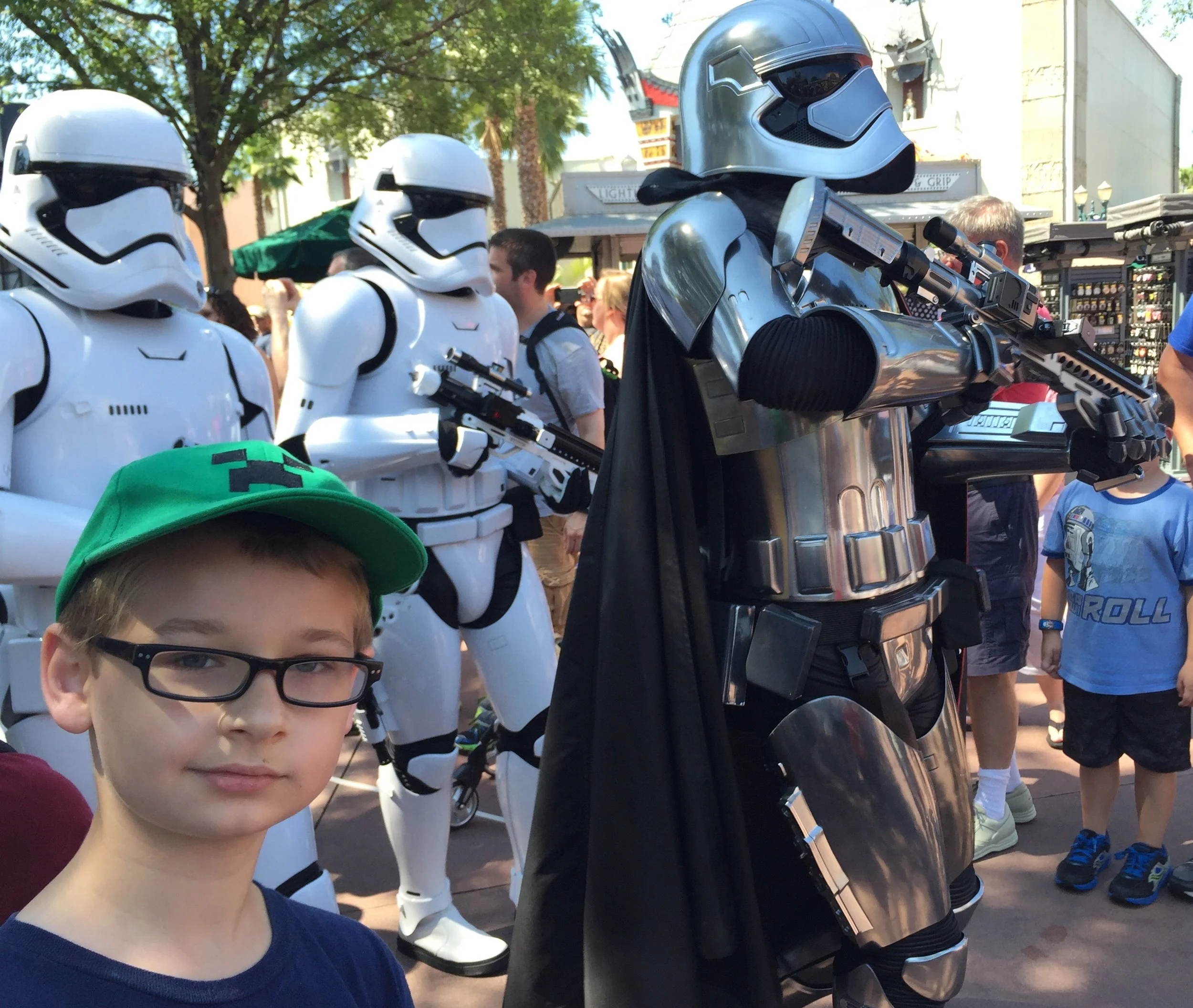
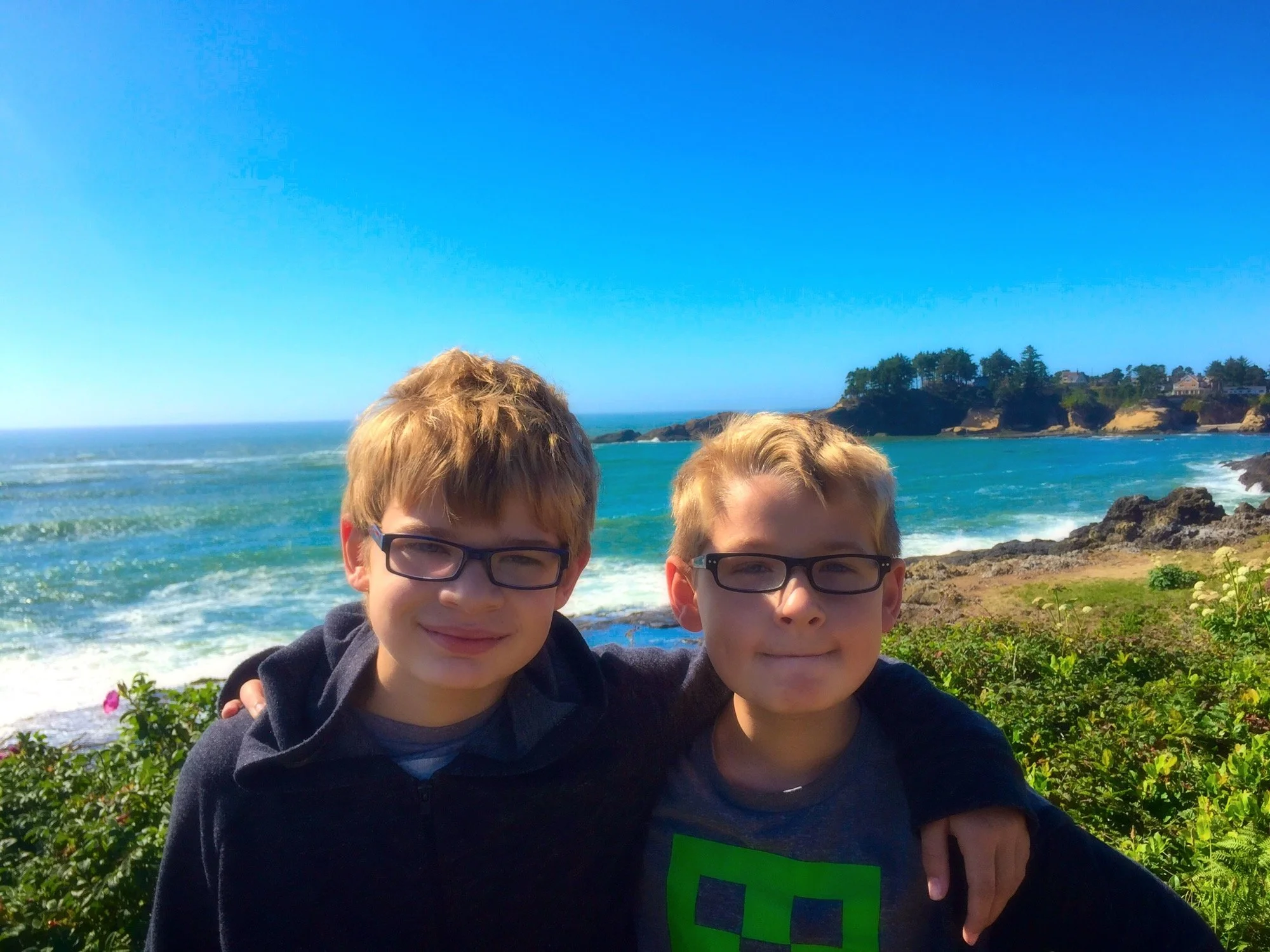
In Texas, about 10 people die on our roads every day, and another 50 are seriously injured.
These tragedies are preventable, and one of the most effective tools we have is to simply slow down.
When a person is struck by a vehicle, a few miles per hour can profoundly change what happens next. A pedestrian struck at 35 mph faces a 67% average risk of serious injury or worse. At 20 mph, that risk drops to 18%.
In the decade since Ben’s crash, his family has advocated for safer speeds and streets designed to protect people when mistakes happen. Ben's aunt, Kathy Sokolic, has led much of that work.
She got involved with Vision Zero ATX in the months after the crash and hasn't stopped since. As chair of Central Texas Families for Safe Streets, she has carried Ben's picture into committee hearings at the Texas Capitol more times than anyone has counted, sitting alongside other families who have lost someone.
Slow Down for Ben
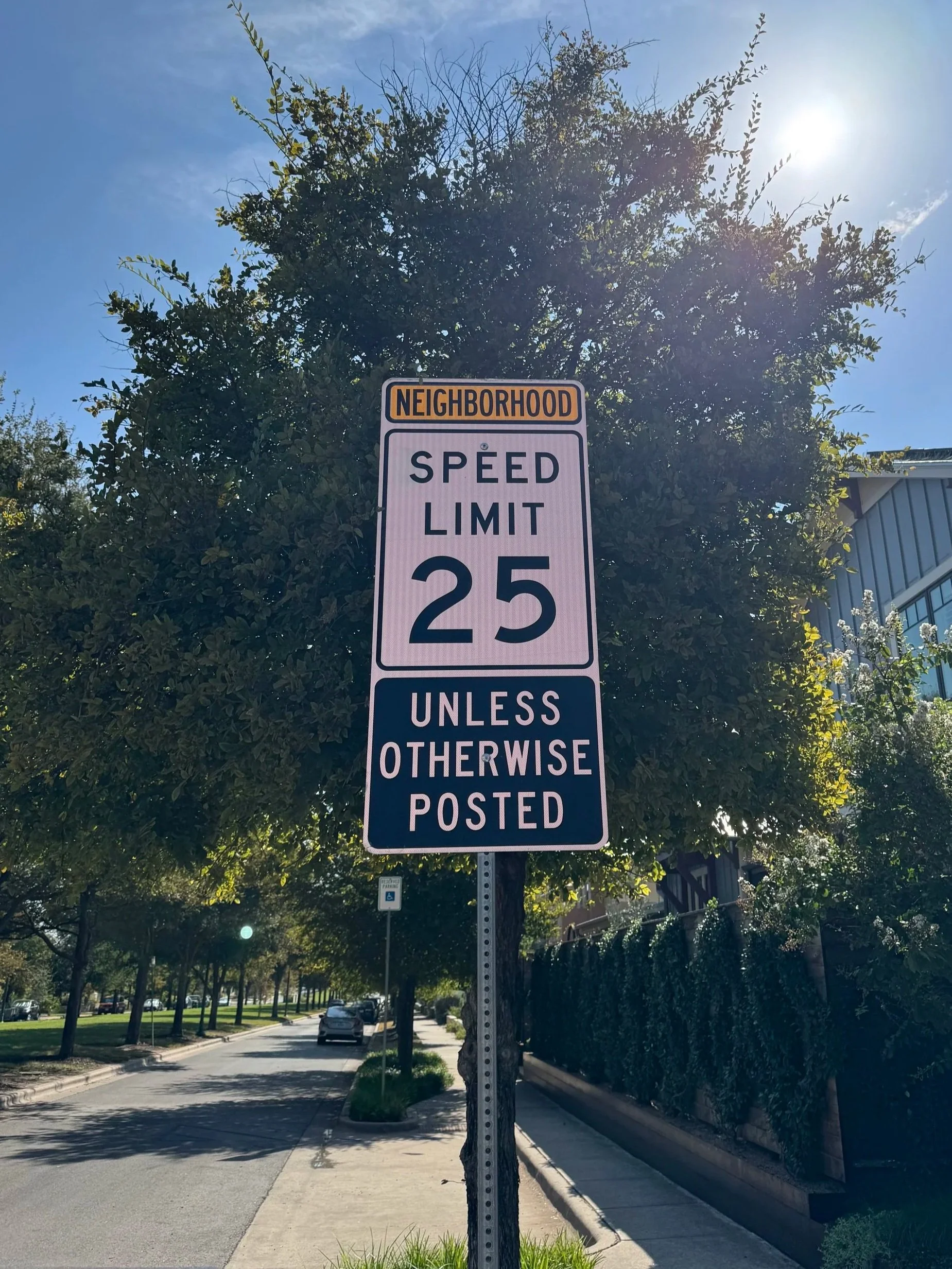
She also helped found Vision Zero Texas, which became the primary project of Farm&City, working for a decade with local, regional, and state government officials, elected leaders, and advocates across Texas. When state law stood in the way of broadly lowering neighborhood speed limits, The City of Austin found another path.
Today, qualifying neighborhood streets across the city are posted at 25 mph, and the city uses tools like narrower lanes, traffic circles, speed cushions and other traffic-calming measures to encourage people to actually drive at safer speeds.
That path was not an accident. In December 2016, after a campaign led by Kathy, Jay Blazek Crossley, Nic Moe, and Brad Kwaterski at Vision Zero ATX, the Austin City Council committed to setting speed limits differently and to designing streets for slower speeds in the first place.
You can see that work all around Mueller.
That bulb-out might make your turn a little more tricky to navigate. But did you notice how much you slowed down?
Another stop sign might feel like one stop sign too many. But also, it created a pause so you could see other vehicles or pedestrians or cyclists.
These small inconveniences are intentional. They ask us to trade a few seconds for something much more important.
Ben’s crash changed his family forever. It changed the way they move through the world, with greater compassion for others, a determination to live a little more fully, and the knowledge that tomorrow is never guaranteed, even for a child.
When you’re driving, especially through busy, pedestrian-centered neighborhoods like Mueller, remember that every person on the street is someone’s Ben.
Slow down. Put down the phone. Pay attention. Give the person crossing the street a few more seconds. A vehicle carries enormous responsibility, and getting somewhere a little faster is never worth someone else not getting there at all.
Some of what these families asked for has happened. Texas now has an official goal of zero traffic deaths. The Legislature passed the Lisa Torry Smith Act, requiring drivers to stop for people in crosswalks rather than simply yield. And state law now calls these events collisions, not accidents - a small change in words that reflects a much larger change in thinking. Crashes are predictable. Crashes are preventable.
But the thing Ben's family has asked for from the very beginning is still not law.
Texas still sets the default neighborhood speed limit at 30 miles per hour. Texas traffic engineers are not allowed to design and build residential streets for the 15 or 20 mile per hour speeds they know would be safer for children, for older people, for all of us. The Safe Neighborhood Streets bill would fix that, letting cities set 15, 20, and 25 mile per hour limits on residential streets so engineers can design to the speed they judge right for the place. It has been filed session after session since 2017. It has come close. It has never passed.
Every kid in Texas deserves to grow up on a safe street.
It will be filed again when the Legislature convenes in January 2027, and this is the year to finish it. If Ben's story means something to you, this is the thing to show up for.
Want to learn more about making our streets safer?
Reach out today to learn more about the work being done in Ben’s memory and how you can help make our streets safer for everyone.